
Self-Love Isn’t Selfish: 5 Neuroscience-Backed Ways to Boost Emotional Resilience This Valentine’s Month
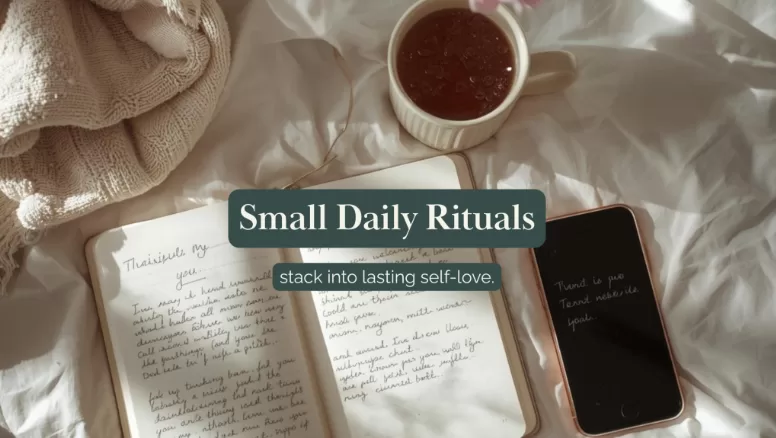
Pink hearts and prix-fixe dinners dominate February’s feed, yet the brain often registers the season very differently. Short daylight, post-holiday bills, and social comparison on Valentine’s Day can light up the amygdala’s threat alarms, leaving many of us anxious or blue. The antidote is not another box of chocolates; it’s deliberate, brain smart self-love. Below you’ll find five evidence-based practices presented as a month-long narrative (each one layering onto the last so that by March your nervous system feels noticeably steadier).
Week 1: Breathe Yourself into Safety
Start the month with a relationship you rarely court directly, your vagus nerve. Neuroscientists at Stanford have shown that five minutes of 4-6 breathing (inhale for four seconds, exhale for six) raises oxytocin by double digits while nudging heart rate variability upward, both markers of calm social engagement. Choose the same chair each morning, let February’s thin sunlight hit your eyelids, and treat the practice like brushing your teeth: essential hygiene, not optional luxury. Within days many people notice a softened inner dialogue; that’s the oxytocin talking.
Week 2: Rewrite the Brain’s Headlines with Micro-Gratitude
Once breathing has cooled the stress circuits, you’ll have space to observe the mind’s running commentary. Evolution wired us for negativity bias, a habit of scanning for what’s wrong. Indiana University MRI studies tell us we can update that software by recording even the smallest wins. Rather than a perfunctory gratitude list, write one sentence starting with “I appreciate how I…” every night this week. The focus on self-agency lights up the ventromedial prefrontal cortex (an area associated with sustained happiness) weeks after the pen is set down. Expect subtle side effects like easier decision making and moments of quiet pride.
Week 3: Wake the Dopamine System with a Cold Water Kiss
By mid-February the novelty of resolutions fades; motivation flags. Enter hydrotherapeutic persuasion. Danish physiologists reported a 250 percent jump in baseline dopamine 90 minutes after an eleven minute cold plunge. You don’t need a Nordic fjord: ending a warm shower with thirty seconds of cold water provides a gentler, yet effective, stimulation. The shock will take your breath at first; breathe through the urge to flee and you’ll step out alert, mood brightened, and crucially primed to keep showing up for the routines you’re building.
Week 4: Turn Insight into Habits. No Gadgets Required
The final stretch is about consolidation. By now your breathing, gratitude, and cold-water practices have begun to smooth cortisol spikes and lift baseline mood. To lock those gains in place, devote this week to structured reflection:
1) Set aside ten quiet minutes every evening.
2) Review the day through three prompts:
• What choice supported my nervous system?
• When did I feel most alive?
• How will I recreate that sensation tomorrow?
3) Jot answers in the same notebook you’ve used for micro-gratitude; pattern spotting becomes effortless when everything lives in one place.
This simple ritual activates the brain’s default-mode network in a constructive way, strengthening self-awareness without rumination. Over time, you’ll notice faster course corrections and a growing sense that self-care is automatic rather than forced.
(If you’re curious about objective data, a quantitative EEG can provide a snapshot of progress, but it’s optional; the real magic is in consistent practice.)
The Ongoing Thread: Micro-Dosing Human Connection
Throughout the month weave frequent, bite-sized social gestures into the fabric of your days. A sincere compliment to a barista, a voice note instead of a text, a quick “win round” in your team’s Slack channel. These five-minute interactions keep oxytocin and dopamine gently circulating, counteracting winter isolation. Loneliness has been linked to elevated cortisol and inflammatory markers; micro-connections are the easiest functional medicine you’ll ever prescribe yourself.
Pulling the Practices Together
Imagine the month as a spiral rather than a checklist. The breathing calms you enough to notice things worth appreciating; gratitude elevates mood and makes the cold-water challenge feel possible; the dopamine surge from cold makes you curious about neurofeedback; watching your brain adjust motivates you to share the journey with others. Layer by layer, you build a neural environment where self-talk is kinder, stress responses reset faster, and February turns from a commercial lovefest into an internal homecoming.
Invitation to Look Inside
If you’d like measurable proof that these habits are working, book a full qEEG brain map with The Wholeness Center. Data, after all, is the most romantic gift a brain can give itself.
Leave a Reply